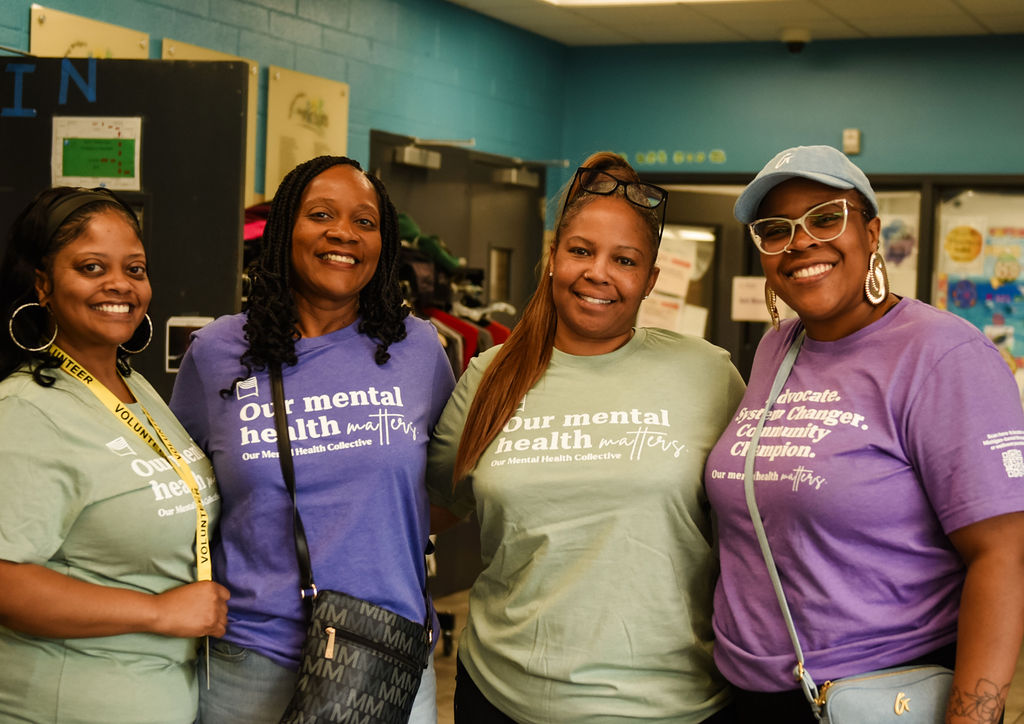
We build platforms for BIPOC clinicians and wellness providers to be seen, supported, and resourced.
Our Mental Health Collective exists to reimagine care by centering BIPOC voices, cultural practices, and ancestral knowledge. We support clinicians, healers, and community members of color by challenging Eurocentric models, confronting systemic harm, and creating spaces where identity, language, tradition, spirituality, and lived experience are understood as sources of strength.
We affirm a wide spectrum of BIPOC communities — including Black, Indigenous, African, Asian, Pacific Islander, Arab/MENA, Latine, immigrant, refugee, multiracial, Queer, Trans, Disabled, and Neurodivergent communities — and believe our healing practices deserve to be protected, practiced, and honored. Our work focuses on expanding access, uplifting culturally rooted providers, and building systems where care is affordable, liberatory, and community-driven. We embrace holistic healing, elevate lived experience as expertise, and stay committed to ongoing reflection, accountability, and anti-oppressive practice. Ultimately, we envision a future where our communities can heal without erasure, access providers who reflect them, and define mental health on our own terms — guided by culture, justice, and collective care.
Founded as Mental Health Clinicians of Color Grand Rapids, OMHC began as a grassroots circle created by Rebecca Spann and founding board members Janee Beville, Wesley Morgan, and Loanna Abreu — a space for clinicians of color to connect, learn, and support one another in a field where they were often unseen.
As the pandemic deepened community need, OMHC expanded its reach through online learning, scholarships, and private practice support. Early milestones — a clinician directory, community funding, and professional development resources — proved the vision had legs. In 2022, the organization officially became Our Mental Health Collective, reflecting a broader commitment to equity and culturally responsive care across Michigan.
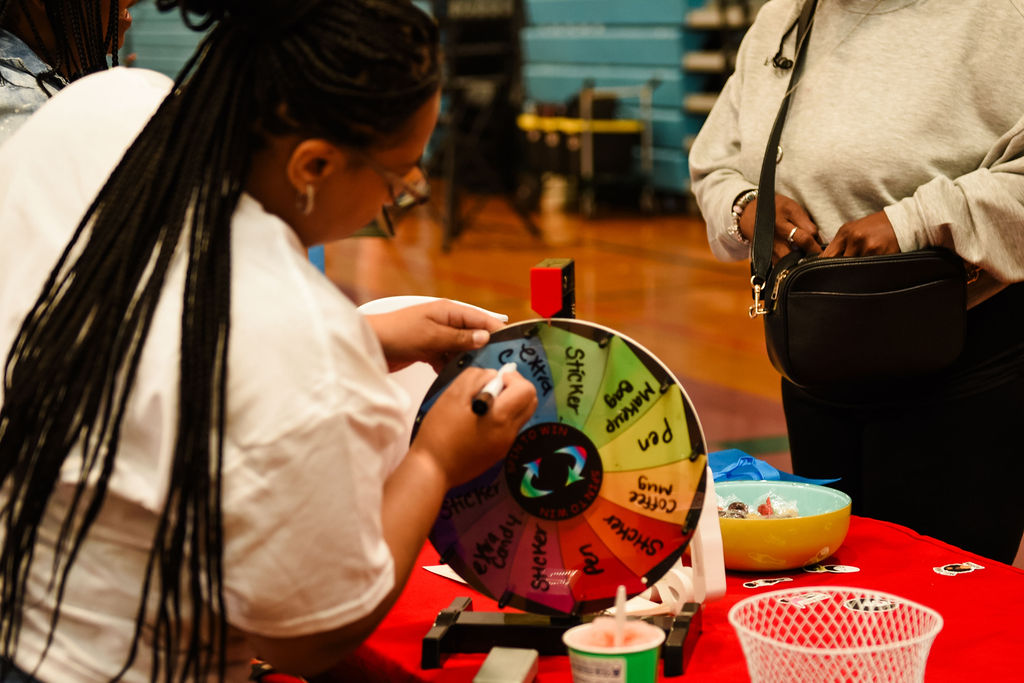
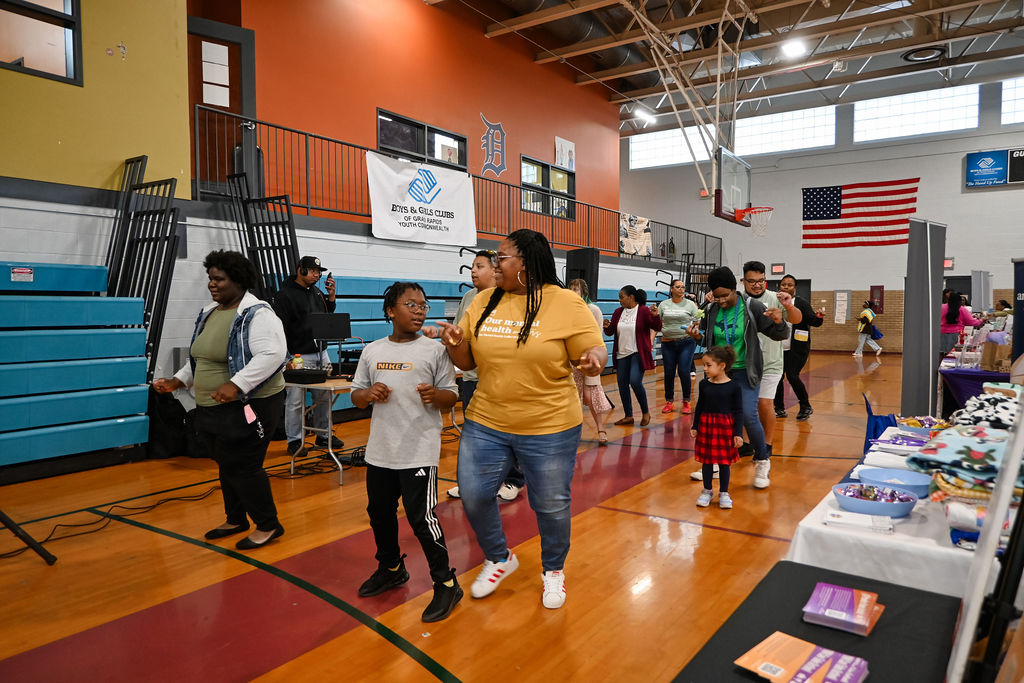
OMHC grew into a statewide network with an expanded provider directory, new community partnerships, offline outreach tools, and a growing advisory base — bringing culturally rooted care directly to where communities live, gather, and heal.
Today, OMHC is more than a network — it's a community-led movement. We're deepening our infrastructure, expanding access across Michigan, and continuing to build the systems our communities have always deserved.
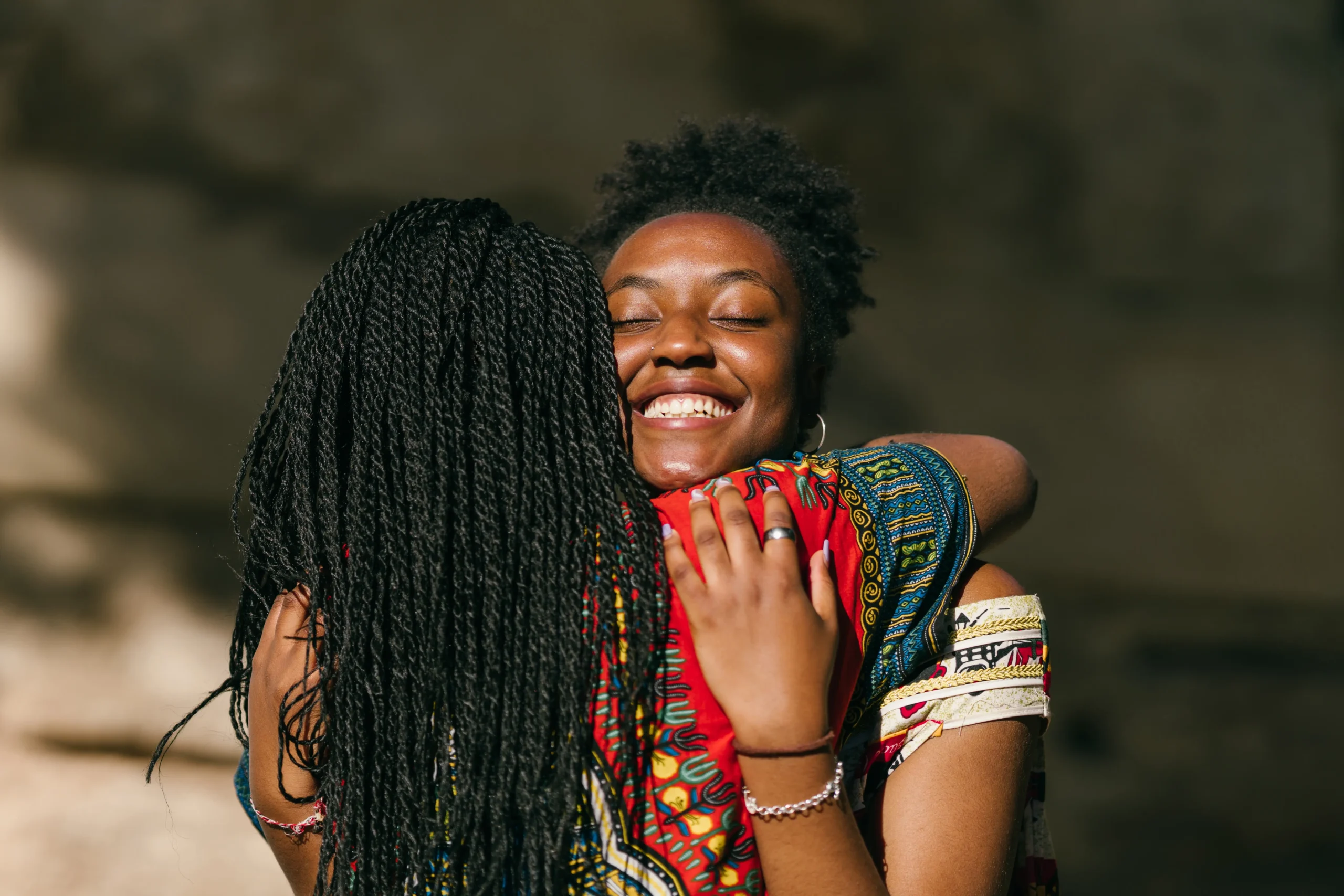
We honor cultural lineage, challenge systemic harm, and affirm lived experience as knowledge. These practices guide how we show up, how we care for our communities, and how we work to build a mental health ecosystem rooted in dignity, liberation, and collective healing.
We honor and uplift the healing practices, spiritual traditions, languages, and knowledge systems that come from our own people. We protect the sovereignty of our cultural roots — refusing to dilute, translate, or justify them through a Western lens. Our healing lineage is sacred, and we carry it forward intentionally and unapologetically.
We challenge the notion that healing happens in isolation. Our cultures have survived through interdependence, family, shared resources, storytelling, and communal responsibility. We embrace these truths by nurturing networks of mutual care, belonging, and support.

We recognize that mental health is deeply shaped by systems: racism, colonialism, patriarchy, xenophobia, capitalism, ableism, queerphobia, and other structures of domination. Healing requires us to confront these realities — not ignore them. We work toward healing that dismantles harm, redistributes access, and advances liberation for all marginalized peoples.

Healing should never be gated by cost, language, immigration status, identity, or systemic barriers. We create spaces that feel safe, familiar, multilingual, and identity-affirming — designed specifically for BIPOC experiences and needs. We advocate for affordable pathways to therapy and wellness that honor cultural roots, lived experiences, and community conditions.
We reject the idea that Western academic training defines what is normal, healthy, or worthy. Our lived realities, historical traumas, self-protective adaptations, and cultural survival strategies deserve to be seen as wisdom — not pathology. Our communities are experts in endurance, imagination, and recovery, and we treat those truths as medicine.

Healing is not limited to the mind. We embrace the fullness of body, spirit, community, land, and ancestral connection. We integrate modalities that reflect our cultural histories — including spirituality, somatic practices, herbal and plant traditions, movement-based healing, storytelling, ritual, art, and ceremony — alongside evidence-based clinical work.
Decolonization is not a brand — it is continuous inner work. We commit to unlearning internalized oppression, confronting power, repairing harm, and practicing integrity in our relationships with clients, families, communities, and one another. We hold ourselves responsible for the impact of our actions and for cultivating liberation-centered ethics in every space we occupy
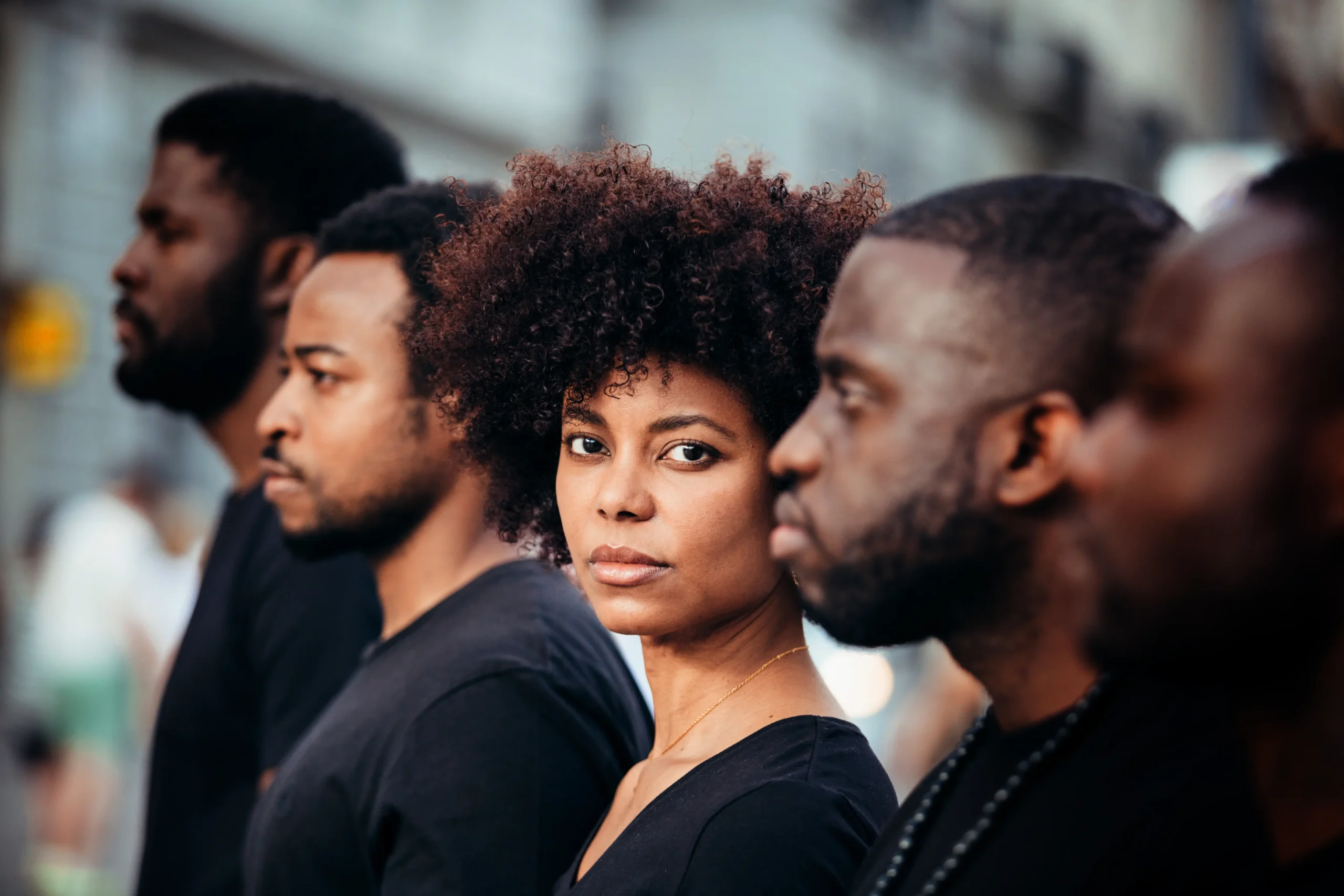


We are committed to building a world where BIPOC communities can heal without erasure, access care without barriers, and see themselves reflected in the providers who support them.
A world where therapists, healers, and cultural practitioners of color can thrive, lead, and help redefine mental health on our own terms.
A world where our histories are sources of strength — not wounds used against us.
We believe our communities deserve care that is free, liberatory, identity-affirming, and rooted in dignity.
And we will keep building until that world exists.